BeforeAfter
P1 · 3 months post · Best Beard Transplant in Delhi
Losing confidence and facial balance due to patchy or uneven beard growth? Applied several grooming products and medicines, but did not receive any positive outcomes? A beard trans
Snapshot
Typical guidance — your plan is confirmed after consultation.
Visit us
Address
Care Well Medical Centre, Chittaranjan Park, South Delhi 110019
Hours
Mon–Sun · 10:00 AM – 7:00 PM
Phone
+91 9667977499Overview
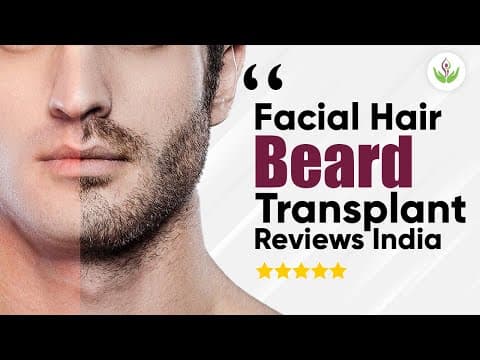
Losing confidence and facial balance due to patchy or uneven beard growth? Applied several grooming products and medicines, but did not receive any positive outcomes? A beard transplant in Delhi is just what you need to look smart yet natural.
Your search for this solution ends at Care Well Medical Centre. Here, we design your beard to match your face shape, jawline, and natural hair direction. As a result, the transformation looks balanced and real.
Before applying the treatment, the clinical team led by Dr. Sandeep Bhasin carefully assesses your donor hair quality, beard pattern, and long-term growth plan. This helps us design an effective beard transplant for you. Additionally, the team provides clear guidance on beard transplant cost in Delhi, recovery time, and expected results.


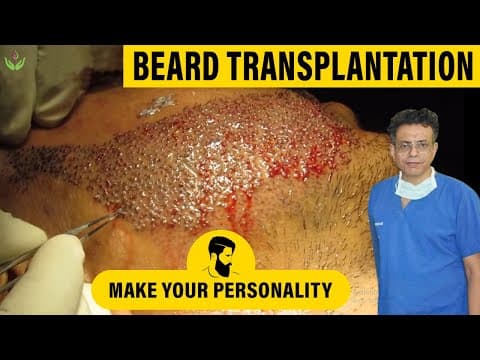
It is a process where surgeons implant healthy hair follicles taken from the scalp into beard areas with low density or visible gaps. Subsequently, surgeons accurately place each follicle at different angles to ensure they match facial hair growth.
The popular beard hair transplant options in Delhi are Follicular Unit Extraction (FUE) and Follicular Unit Transplantation (FUT). When used successfully, these transplants enhance your appearance and personality, significantly raising your confidence.
Process
Results
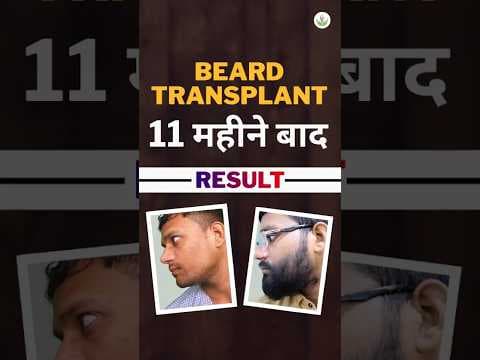
BeforeAfterP1 · 3 months post · Best Beard Transplant in Delhi
 BeforeAfter
P2 · 3 months post · Best Beard Transplant in Delhi
Images shared with patient consent. Individual results vary.
Eligibility
Benefits
Before treatment
Recovery
Follow dressing and activity guidance
Attend scheduled follow-ups
Results settle over the healing timeline discussed in consult
Safety
Why Care Well
It is a process where surgeons implant healthy hair follicles taken from the scalp into beard areas with low density or visible gaps. Subsequently, surgeons accurately place each follicle at different angles to ensure they match facial hair growth.
Clinical fit
Techniques
FUE involves extracting individual hair follicles from the donor area using fine instruments. This technique allows precise control over graft placement, angle, and direction, which is especially important for achieving a natural-looking beard.
FUT involves removing a thin strip of scalp from the donor area and dividing it into individual grafts. This method may be considered in select cases where a larger number of follicles are required.
Options
FUE involves extracting individual hair follicles from the donor area using fine instruments. This technique allows precise control over graft placement, angle, and direction, which is especially important for achieving a natural-looking beard.
Pricing
Typical range
Custom quote after assessment
What affects cost
Discussed before treatment
EMI
Tenure (months)
Cost snapshot
Assessment
Free consult
Clinical plan discussion
Quote
Personalized
Based on your case
EMI
Surgeon

Senior cosmetic & aesthetic surgeon · Care Well Medical Centre, Delhi
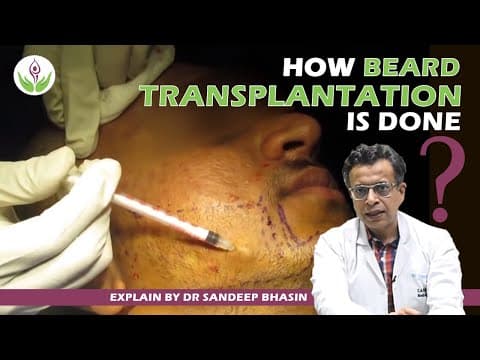
Dr. Sandeep Bhasin leads best beard transplant in Delhi care at Care Well with a focus on safety and natural-looking outcomes.
Watch
FUT involves removing a thin strip of scalp from the donor area and dividing it into individual grafts. This method may be considered in select cases where a larger number of follicles are required.
EMI options may be available — ask during consultation.
Get Personalized QuoteAvailable*
Ask at consultation
Best Beard Transplant in Delhi story (opens on YouTube)
FAQs
Yes. A beard transplant provides permanent results because the hair follicles are taken from the scalp, which is resistant to hair loss. Once transplanted and healed, these follicles continue to grow for life like normal facial hair. You can shave, trim, or style the beard naturally after full growth.
Initial growth usually begins around three months after the procedure. Hair density improves gradually between six and nine months. Final shape, texture, and thickness are typically visible by twelve months. Temporary shedding in the first few weeks is normal and does not affect the final outcome.
The procedure is performed under local anaesthesia, so pain is minimal during treatment. You may feel mild tightness or sensitivity afterward, which usually settles within a few days. Most patients describe the experience as comfortable and manageable with simple post-procedure care.
Graft requirements vary depending on beard style, existing density, and coverage goals. Small patch correction may need a few hundred grafts, while full beard restoration can require over one thousand grafts. The exact number is decided after assessing your beard pattern and donor hair quality.
Common side effects include temporary redness, swelling, or small bumps during early healing. These usually resolve on their own. Serious complications are rare when the procedure is properly planned and performed under medical supervision. Following aftercare instructions reduces risks further.
Not everyone is an ideal candidate. Active skin infections, autoimmune hair loss conditions, poor donor hair quality, or uncontrolled medical problems may delay or prevent treatment. A medical evaluation is essential to confirm suitability and ensure safe, realistic outcomes.
Most patients return to routine activities within one to two days. Scabs fall off naturally within about a week. Shaving or trimming is usually allowed after ten to fourteen days. Full recovery continues internally as hair growth progresses over several months.
Yes, when planned correctly. Natural results depend on proper design, correct hair angle, and balanced density. With careful placement, the transplanted hair blends seamlessly with existing facial hair and looks natural even on close inspection.
Yes. Smoking reduces blood flow and oxygen supply, which can affect graft survival and healing. Patients are advised to stop smoking at least one week before and two weeks after the procedure to support optimal growth and recovery.
Absolutely. Consultation allows proper assessment of your beard pattern, donor hair, medical history, and expectations. It helps determine suitability, estimate graft requirements, discuss costs, and clarify realistic results before proceeding.
Best Gynecomastia Surgery in Delhi – Regain a Confident, Masculine Chest
Gynecomastia surgery in Delhi for male breast reduction. View real before and after results, know the cost, and take the first step today.
Hair Transplant
Doctor-led guidance on Best Hair Transplant in Delhi: FUE vs FUT — Which One Is Right for You? , including what to expect and what to discuss with your doctor.