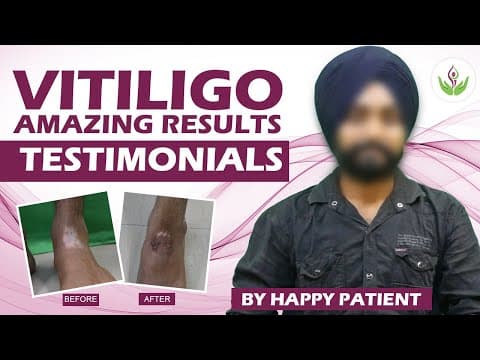
BeforeAfter
P1 · 3 months post · Vitiligo Treatment in Delhi
Doctor-led vitiligo treatment in Delhi at Care Well Medical Centre, South Delhi.
Snapshot
Typical guidance — your plan is confirmed after consultation.
Visit us
Address
Care Well Medical Centre, Chittaranjan Park, South Delhi 110019
Hours
Mon–Sun · 10:00 AM – 7:00 PM
Phone
+91 9667977499Overview
Vitiligo is a long-term skin problem in which patches of skin lose their color, leaving them white. When melanin-producing cells die, people of all ages, genders, and races can develop vitiligo. As a result, pigment loss becomes visible on the skin.
Vitiligo no longer needs to cause worry. At Care Well Medical Centre, we offer a wide range of treatments to help manage it effectively. Typically, vitiligo appears on the hands, face, and chest. But before we explore how it's treated, let’s first understand what vitiligo really is.
Melanocyte transplant surgery offers one of the most advanced ways to treat stable vitiligo in India. Within just two to three months, patients often begin to see visible results. Moreover, this technique relies on a completely natural process, which adds to its appeal. In many cases, we also treat short-duration vitiligo effectively when caught early. So, if you're seeking the best vitiligo treatment in India, this approach provides a reliable option to restore your skin tone and regain confidence.


If you are searching for the best vitiligo treatment in Delhi, Care Well Medical Centre is the ideal choice. Our team of experienced dermatologists or cosmetic surgeons, including Dr. Sandeep Bhasin (Sr. Cosmetic Surgeon), provides personalized and effective treatment plans tailored to the individual needs of each patient. We use the latest techniques and equipment to offer safe and effective treatments, including phototherapy, topical medications, oral medications, and surgical procedures. Dr. Sandeep Bhasin leads our vitiligo care in Delhi, delivering exceptional treatment and visible results.
Our goal is to restore pigment to the skin and help our patients feel more confident in their appearance. Additionally, we provide counseling and support to help our patients cope with the emotional impact of vitiligo. Contact Care Well Medical Centre today to schedule a consultation and take the first step towards clearer, healthier skin.
Process
Results
BeforeAfterP1 · 3 months post · Vitiligo Treatment in Delhi
 BeforeAfter
P2 · 3 months post · Vitiligo Treatment in Delhi
Images shared with patient consent. Individual results vary.
Eligibility
Benefits
Before treatment
Recovery
Follow dressing and activity guidance
Attend scheduled follow-ups
Results settle over the healing timeline discussed in consult
Safety
Why Care Well
If you are searching for the best vitiligo treatment in Delhi, Care Well Medical Centre is the ideal choice. Our team of experienced dermatologists or cosmetic surgeons, including Dr. Sandeep Bhasin (Sr. Cosmetic Surgeon), provides personalized and effective treatment plans tailored to the individual needs of each patient. We use the latest techniques and equipment to offer safe and effective treatments, including phototherapy, topical medications, oral medications, and surgical procedures. Dr. Sandeep Bhasin leads our vitiligo care in Delhi, delivering exceptional treatment and visible results.
Clinical fit
Pricing
Typical range
Custom quote after assessment
What affects cost
Discussed before treatment
EMI
Tenure (months)
Cost snapshot
Assessment
Free consult
Clinical plan discussion
Quote
Personalized
Based on your case
EMI
Surgeon

Senior cosmetic & aesthetic surgeon · Care Well Medical Centre, Delhi
Dr. Sandeep Bhasin leads vitiligo treatment in Delhi care at Care Well with a focus on safety and natural-looking outcomes.
Watch
EMI options may be available — ask during consultation.
Get Personalized QuoteAvailable*
Ask at consultation

Vitiligo Treatment in Delhi story (opens on YouTube)
FAQs
There is no best treatment for vitiligo since it depends upon the affected area, how quickly the depigmentation spreads, the patient’s age, etc. For early-stage treatments, medicines like vitiligo creams may help, but light therapies such as phototherapy and surgeries may be the only suitable options for later stages.
No, vitiligo cannot be cured permanently. The vitiligo treatments available focus on how to stop the spreading of depigmentation from one part to the next and treat the existing discolored areas. Since there is no cure, learning how to manage the condition can be of great help.
About 30% of vitiligo cases are reported to have genetic causes. It is caused by a lack of a body pigment known as melanin. Melanocytes produce melanin. In vitiligo, individuals lack melanocytes that are responsible for producing skin pigment.
Vitiligo can affect individuals of all backgrounds and skin tones, and it affects all ethnicities nearly evenly. Anyone with a chance of developing the skin disease develops it before age 20. More than half of the affected individuals get vitiligo as children.
No, vitiligo cannot be cured naturally. It is a skin disease that has yet to have a permanent remedy. Individuals with vitiligo may learn how to manage it naturally through a good and healthy lifestyle, but as of now, there is no cure available.
Sunlight could be good or bad for people with vitiligo. The affected individuals lack melanin, a body pigment that is known to protect the skin from harmful sun rays. Due to this, some technicians believe that sunlight may harm patients. On the other hand, light therapy is used as a vitiligo skin disease treatment.
No, the natural process of vitiligo cannot be stopped. After the occurrence, a technician can help treat the affected discolored areas with drugs or light therapy but cannot help with the disruption of naturally occurring vitiligo.
There has been no relevant research to link eggs with vitiligo. It is best to ask your technician whether eggs will slow down the leukoderma treatment. The ayurvedic text suggests avoiding eggs altogether, but since no medical research backs it up, this domain remains a mystery.
To increase melanin, it is best to consume a diet that is rich in antioxidants. Include foods such as citrus, berries, leafy green vegetables, etc. If you are someone who has trouble consuming a restricted diet, you can opt for supplements to ease it.
There has been no relevant research to link eggs with vitiligo. It is best to ask your technician whether eggs will slow down the leukoderma treatment. The ayurvedic text suggests avoiding eggs altogether, but since no medical research backs it up, this domain remains a mystery.
Melanin production can be increased naturally through consuming a healthy vitamin-rich diet. Consuming vitamins C, E and F have been known to positively affect vitiligo. Doctors usually recommend artificial ways such as medications or light therapies to increase melanin production in the body.
The FDA has recently approved ruxolitinib cream sold under the brand name Opzelura. Until recently, the treatment for vitiligo was limited to light therapies and oral medication. A vitiligo treatment cream helps to calm the patient’s immune system and produce normal melanocytes. This new treatment is the latest to be found.
Yes, Ayurveda claims to cure vitiligo. The leukoderma treatment they offer consists of Vamana, Virechana, and Basti therapy. In Ayurveda, vitiligo is known as a ‘Tridosha disease’. Ayurveda focuses on strengthening the immune system using the mentioned therapies.
To manage vitiligo on an everyday basis, it is important to know what to avoid. Excessive sun exposure, burns, cuts, usage of a sun lamp or tanning lamp, and getting tattoos should all be avoided. Contact your Vitiligo best doctor in Delhi to know the detailed measures to take to manage the skin disease.
In some cases, it has been observed that certain skin patches have disappeared over time. Vitiligo does not have a cure; thus, to make the skin patches seem less prominent, doctors advise light therapies, oral medication, or creams. The disease has a very low chance of disappearing by itself.
Studies show that Ginkgo biloba can help treat vitiligo. Researchers extract compounds from the plant and process them into tablets. Patients typically take these tablets 1 to 3 times a day for up to three months to notice improvement.
The FDA recently approved the use of ruxolitinib cream for vitiligo patients. Other ointments may include calcineurin inhibitors, such as tacrolimus or pimecrolimus. Creams have recently been validated for use by vitiligo patients; thus, patients are still sceptical of their use.
Oils are not a medical intervention but more of a home remedy used to tackle vitiligo. Mustard oil, black cumin oil, black seed oil, tolenorm oil, etc. are all known to increase melanin production and bring pigment to discoloured patches.
No, coconut oil cannot remove the white patches that occur in vitiligo patients. Coconut oil works as an anti-inflammatory agent; it helps to calm the skin down and provide moisturization without any evident irritation. It can be used as an everyday moisturizer, but it is not a treatment option for vitiligo.
Yes, vitiligo may spread with stress. The hormones that respond to psychological or environmental stress have been found to have higher levels in vitiligo patients. Cortisol, catecholamines, neuropeptides, etc. all respond to stress and play a significant role in the development of the disease.
Anterior Thigh Liposuction in Delhi – Naturally Sculpt & Transform Your Thighs
Anterior Thigh Liposuction in Delhi removes stubborn thigh fat safely. Get toned legs with lasting results. Check cost, recovery, and photos.
Vitiligo Treatment
Doctor-led guidance on Vitiligo in Children: Causes, Symptoms, Treatment & Latest Cure Guide, including what to expect and what to discuss with your doctor.